By Alejandra Paladino, REALTOR® | Moving to Arizona
If you're researching moving to Gilbert, Arizona, you've already done the most important part of your homework because Gilbert is not just a Phoenix suburb. It's one of the most consistently excellent places to live in the entire United States. Niche ranks it the number one best place to raise a family in the Phoenix area. It's been recognized as one of the nation's wealthiest cities by the Economic Innovation Group. Its crime rate is 49% lower than the U.S. average. And people who move here especially families relocating from California, Illinois, and Washington describe it as one of the best decisions they've ever made.
This guide covers everything you need to know before moving to Gilbert: the neighborhoods, the schools, the cost of living, the job market, the commute realities, and the honest trade-offs that will help you decide if Gilbert is the right place for your family.
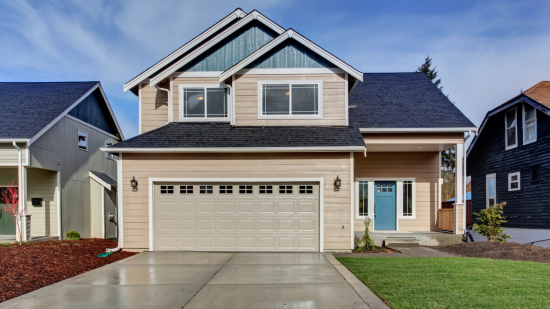 Why People Are Moving to Gilbert, Arizona in 2026
Gilbert has become a relocation hotspot for families from California, Illinois, and Washington due to its excellent schools, safe neighborhoods, and suburban charm. The momentum shows no signs of slowing. Here's what's driving it.
Gilbert is one of the safest large cities in the United States. The crime rate in Gilbert is 49% lower than the U.S. average. The odds of becoming a victim of violent crime are 1 in 943 extraordinary for a city approaching 280,000 people. For families relocating from California metros where safety concerns are part of daily life, Gilbert's safety profile is one of the most immediately and tangibly life-improving aspects of the move. Streets where kids ride bikes until dark. Neighbors who leave garage doors open without anxiety. A daily sense of security that compounds into genuine quality of life.
Gilbert Public Schools is the most consistently excellent school district in the East Valley. This is the primary driver for the majority of families specifically choosing Gilbert over comparable suburbs. GPS serves over 32,000 students and consistently delivers exceptional academic outcomes regardless of which specific neighborhood within Gilbert you land in. The consistency is the superpower in most large districts, quality varies dramatically by school. In Gilbert Public Schools, the quality is uniformly strong across the entire district. That uniformity means families can buy in almost any Gilbert neighborhood and trust the school experience.
The quality of life is genuinely exceptional. Gilbert combines small-town friendliness with big-city conveniences. Streets are clean. Public spaces are meticulously maintained. The Heritage District gives the city a genuine downtown character something most suburbs of 280,000 never develop. Parks, trails, and community infrastructure are extensive and well-maintained. People who move to Gilbert consistently describe it as having a "real neighborhood" feel that they hadn't expected from a Phoenix suburb.
The job market is excellent and accessible. With the growth of the "Silicon Desert," Gilbert has become a hub for tech and healthcare professionals. Key industries in Gilbert include life sciences, biotech, health services, aerospace, manufacturing, and more. For residents who commute, the proximity to Chandler's tech corridor Intel, PayPal, Microchip Technology means a 10 to 25 minute drive to some of the strongest professional employment in the state.
What to Know About Gilbert Before You Move
Gilbert is the finished product, not the upside play. This framing matters for buyers. Gilbert isn't the deal it was a decade ago it's the established, recognized, premium suburb that commands the premium price that reflects that reputation. You're not getting in early. You're buying stability, quality, and a lifestyle that works from day one. For buyers who want to pay less and get in early on the next emerging suburb, Queen Creek or the outer West Valley is where that story is playing out. For buyers who want the most reliable quality in the East Valley right now Gilbert delivers.
The Heritage District is genuinely special. Downtown Gilbert's Heritage District is one of the most talked-about suburban downtowns in the Phoenix metro and for good reason. It's a compact, walkable area with local restaurants, coffee shops, boutiques, a farmers market, and community events that give the city an identity that most suburbs of its size completely lack. The Heritage Trail connects the district to the broader trail network. Residents describe Friday nights in the Heritage District as genuinely enjoyable social experiences not just convenient errands.
The Riparian Preserve at Water Ranch is extraordinary. This 4.5-mile trail network through a genuine desert wildlife preserve within the city limits is one of Gilbert's most loved amenities and one that surprises people who expected a landlocked suburban park rather than a birding and wildlife destination. Over 200 species of birds have been documented here. The trails connect to Gilbert's broader system of approximately 135 miles of marked paths. For residents who want outdoor recreation available immediately not a weekend drive away Gilbert's trail infrastructure is genuinely exceptional.
The community events and programming are real. Gilbert hosts regular farmers markets, art walks, community festivals, and neighborhood events that are well-attended and authentically community-centered rather than corporate-feeling. The Hale Theatre brings professional-quality performing arts to Gilbert without requiring a Scottsdale or downtown Phoenix drive. SanTan Village provides retail and dining well beyond standard suburban strip mall options. These are not hypothetical amenities they're actively used by the community.
Gilbert is almost entirely car-dependent. Like virtually every Phoenix metro suburb, Gilbert requires a car for daily life. Light rail does not serve Gilbert. Valley Metro bus routes provide regional connections but are not practical for most daily commuting needs. The good news: Gilbert's grid road system and freeway access via Loop 202 and US-60 make driving efficient relative to more congested metro areas. Gilbert's convenient location means it takes only 22 minutes to reach Tempe, 24 minutes to reach Scottsdale, 15 minutes to reach Mesa, and 13 minutes to reach Chandler.
Gilbert Neighborhoods: Where to Move in Gilbert Arizona
Moving to Gilbert means choosing which pocket of the city matches your lifestyle. The neighborhoods vary meaningfully and choosing the right one matters as much as choosing the right city.
Power Ranch is the most amenity-rich master-planned community in Gilbert and one of the most recognized master-planned communities in the country. It features 26 miles of trails, five pools, two clubhouses, 25 pocket parks, a 2-acre fishing lake, a 10-acre soccer complex, and one of the most active community event calendars of any Gilbert neighborhood. Food Truck Fridays, Movies in the Park, community campouts Power Ranch builds the social community that most neighborhoods aspire to. It's served by Gilbert Public Schools and Higley Unified depending on your specific block. Home prices range from approximately $500,000 to $700,000 for typical single-family homes.
Morrison Ranch is Gilbert's most visually distinctive neighborhood iconic century-old grain silos, tree-lined streets with white picket fences, lush grass, community lakes, and a design aesthetic that evokes classic American neighborhood character unlike anything else in the Phoenix metro. It's the neighborhood that makes California transplants stop the car and question whether they're really in Arizona. Served by Higley Unified School District. Home prices range from $565,000 to $2.3 million.
Agritopia is Gilbert's farm-to-table community a 166-acre neighborhood built around an 11-acre organic farm where residents can walk to Joe's Farm Grill (featured on Guy Fieri's Diners, Drive-ins and Dives), pick produce from the farm, and live in a genuinely walkable community unlike anything else in Arizona. The neighborhood is essentially built out with approximately 452 homes and no new construction when homes come available, they move quickly. Served by Higley Unified. Home prices run $700,000 to $850,000 at median with renovated properties exceeding $1 million.
Seville is Gilbert's premier golf community built around an 18-hole championship course, a 30,000 square foot Tuscan-style clubhouse, four heated pools, tennis and pickleball, and mountain views. Uniquely, Seville falls within Chandler Unified School District rather than Gilbert Public Schools Arizona's number one ranked district giving families here a specific and meaningful school quality advantage. Home prices run $600,000 to over $1 million.
Val Vista Lakes is Gilbert's established waterfront community built around three interconnected lakes with kayaking, paddle boating, fishing, a luxury pool clubhouse with a sandy beach lagoon, and community events including holiday boat parades. One of Gilbert's most beloved and mature neighborhoods with established trees and genuine community character. Home prices run $450,000 to $650,000 with lakefront properties commanding premiums.
Finley Farms is Gilbert's best value family neighborhood delivering strong schools, parks, trail access, and established community character at the most accessible price points in Gilbert. Proximity to the Eastern Canal Trail gives families an active transportation and recreation option right from the neighborhood. A strong choice for buyers who want Gilbert quality without the full Gilbert Premium.
Moving to Gilbert: Schools
When people say they're moving to Gilbert for the schools, they specifically mean Gilbert Public Schools and the data justifies the reputation.
Gilbert Public Schools serves over 32,000 students with a student-to-teacher ratio of 18 to 1. Niche gives GPS an A overall grade. Gilbert Classical Academy High School ranks number two among Arizona public high schools. Neely Traditional Academy earned National Blue Ribbon School status in 2023. Proficiency rates run significantly above state averages across grade levels.
The key differentiator the one that justifies the Gilbert Premium in real estate is consistency. Every neighborhood within GPS boundaries gets a strong academic experience. There are no weak pockets, no schools to avoid, no boundary-shopping anxiety within the district. That predictability is what makes GPS uniquely valuable compared to larger, more variable districts.
Beyond GPS, Gilbert is also served by Higley Unified School District in some neighborhoods Morrison Ranch, Power Ranch depending on your specific block, and Agritopia. Higley is a strong and well-regarded district. Seville specifically falls within Chandler Unified Arizona's number one ranked district adding another tier of school quality optionality for Gilbert buyers.
Charter school options including BASIS Gilbert, Legacy Traditional School, and Gilbert Classical Academy are available for families who want alternatives to the assigned public school.
Moving to Gilbert: Cost of Living
The cost of living in Gilbert is approximately 20% higher than the national average driven primarily by housing. Understanding the full cost picture before moving to Gilbert prevents first-year financial surprises.
The median home price in Gilbert sits at approximately $582,000 to $595,000 as of 2026. That represents the Gilbert Premium real, sustained demand from families who specifically want GPS schools, Heritage District community character, and Gilbert's safety profile. Utilities and healthcare in Gilbert actually cost approximately 2% less than the national average one of the few cost categories where Gilbert doesn't carry a premium.
Gilbert's cost of living is still less expensive than other nearby Arizona cities such as Scottsdale and Queen Creek at comparable home quality levels placing it in the middle tier of East Valley premium suburbs. For families coming from California, the comparison remains dramatically favorable: Gilbert's median home price is roughly 60% of Los Angeles's and less than half of the Bay Area's, while delivering superior schools, safety, and community quality.
Budget specifically for Arizona's summer utilities. Air conditioning in Gilbert runs from mid-June through mid-September. Expect electric bills of $250 to $400 per month during peak summer for a typical Gilbert home. This is the most consistent first-year budget surprise for out-of-state buyers. Plan for it before you commit to a monthly mortgage payment.
Moving to Gilbert: The Job Market
Gilbert's local economy is strong, but the bigger employment story for Gilbert residents is regional access. Gilbert's location in the center of the East Valley gives commuters straightforward access to the strongest professional employment markets in Arizona.
The Chandler tech corridor Intel, PayPal, Microchip Technology, and dozens of other tech and semiconductor employers is 10 to 25 minutes from most Gilbert neighborhoods. This is the primary career driver for many tech and semiconductor professionals who specifically choose Gilbert over Chandler itself for the school district and community character.
Healthcare is a major local employer Banner Health, Dignity Health, and multiple specialty clinics have significant Gilbert presences. Life sciences and biotech have grown substantially in the East Valley. Gilbert has specifically focused on attracting aerospace and aviation companies the fourth largest aerospace market in the country has over 1,200 Arizona companies, with significant Gilbert representation.
For Phoenix's broader Fortune 500 and major corporate employers downtown Phoenix, Scottsdale's professional services base, Tempe's ASU-adjacent businesses Gilbert commutes run 30 to 60 minutes depending on destination and traffic. For buyers with firm downtown Phoenix employment, the southeastern position of Gilbert relative to central Phoenix is the honest commute trade-off to factor in.
Remote workers find Gilbert particularly compelling the school district and community quality that makes Gilbert worth the premium comes with no commute penalty for fully location-independent professionals.
Moving to Gilbert: Commute and Transportation
Gilbert's commute picture is genuinely good for East Valley employment and honest about central Phoenix distances.
Chandler tech corridor and Intel Ocotillo: 10 to 25 minutes from most of west and central Gilbert. This is Gilbert's strongest commute advantage proximity to Arizona's most significant tech employment concentration.
Tempe and ASU area: 20 to 35 minutes depending on route and time of day.
Mesa: 15 to 25 minutes from most neighborhoods.
Phoenix Sky Harbor International Airport: 20 to 40 minutes using Loop 202 and US-60 connectors meaningfully convenient for frequent business travelers.
Downtown Phoenix: 30 to 60 minutes, with the higher end common at peak times. This is the honest trade-off Gilbert's southeastern position means central Phoenix commutes are real and should be tested at peak hours before committing.
Scottsdale: 24 minutes from central Gilbert a reasonable commute for Scottsdale employers.
The Loop 202 Santan Freeway is the primary east-west connector. Gilbert Road, Val Vista Drive, and McQueen Road are the key north-south arterials. Bus service connects Gilbert with Mesa, Chandler, and Tempe via Valley Metro. Light rail does not serve Gilbert.
Gilbert has over 60 miles of marked trails on its interactive bike map and a Central Trail System offering roughly 135 miles of outdoor paths so while car commuting is the norm, the active transportation and recreation infrastructure is genuinely excellent.
Moving to Gilbert: Practical Checklist
Once you've decided you're moving to Gilbert, here's what to prioritize.
Research school district boundaries at the address level before making an offer. While GPS is uniformly strong, specific boundaries between GPS, Higley Unified, and Chandler Unified matter for some neighborhoods. Verify the specific school zone for any address you're seriously considering.
Understand HOA requirements. Most Gilbert master-planned communities have HOAs with CC&Rs governing exterior modifications, paint colors, landscaping, and community standards. Read the HOA documents during your inspection period the 10-day Arizona inspection window gives you time to review them before committing.
Get your air conditioning inspected before your first summer. This is not optional in Arizona. An HVAC failure in July is a genuine emergency. Have the system professionally serviced before June and budget for an aging unit replacement if the system is 10-plus years old.
Set up pest control immediately after moving in. Scorpion prevention service runs $50 to $75 per month and significantly reduces encounters, particularly in neighborhoods adjacent to desert areas. Set this up before you move in if possible.
Explore the Heritage District in your first week. The best introduction to Gilbert's community character is spending a Friday evening in the Heritage District walking the streets, finding your coffee shop, discovering your first favorite restaurant. This is what Gilbert is about, and experiencing it early helps the move feel like a genuine arrival rather than just a change of address.
What to Expect After Moving to Gilbert
The things that consistently surprise people after moving to Gilbert from California or other high-cost states:
The school experience exceeds expectations. Families who moved specifically for the schools and were cautiously optimistic describe GPS as delivering on its reputation more completely than they anticipated. Parent involvement is genuinely high. Teachers are engaged. The academic environment reflects a community that deeply invests in education.
The community feels real. Gilbert's reputation for community character is not marketing it's a lived experience that residents consistently describe. Neighbors introduce themselves. Community events actually draw people. Children play outside. The social fabric is genuinely different from the anonymous suburban experience many California transplants had before moving.
The outdoors surprise people. Between Gilbert's own trail system, the Riparian Preserve at Water Ranch, San Tan Mountain Regional Park just to the south, and the broader East Valley outdoor recreation network the outdoor lifestyle available from a Gilbert address consistently exceeds pre-move expectations.
The summer requires commitment. Moving to Gilbert in June, July, or August is a genuinely uncomfortable experience compared to October through April. Budget for utilities, adjust outdoor activity schedules immediately, and remember that the summer is four months out of twelve the other eight are extraordinary.
Frequently Asked Questions: Moving to Gilbert Arizona
Is Gilbert Arizona a good place to live? Consistently ranked among the best places to live in America not just Arizona. Gilbert delivers exceptional schools, extraordinary safety, genuine community character, and a quality of life that justifies its premium over comparable suburbs.
What is the cost of living in Gilbert Arizona? Approximately 20% above the national average, driven primarily by housing at a median of approximately $582,000 to $595,000. Utilities and healthcare run slightly below national average. For California transplants, Gilbert remains dramatically more affordable than comparable California markets.
What are the best neighborhoods in Gilbert Arizona? Power Ranch for maximum community amenities and programming. Morrison Ranch for character, walkability, and visual distinction. Agritopia for farm-to-table walkable lifestyle. Seville for golf and luxury with Arizona's number one school district. Val Vista Lakes for waterfront established living. Finley Farms for best value in Gilbert.
What school district serves Gilbert Arizona? Gilbert Public Schools serves the majority of the city and is consistently rated among Arizona's best districts for uniform quality across all neighborhoods. Some Gilbert neighborhoods are served by Higley Unified or Chandler Unified depending on specific location.
How far is Gilbert from Phoenix? Approximately 22 miles from downtown Phoenix a 30 to 45 minute commute depending on traffic and time of day. Gilbert is 24 minutes from Scottsdale, 22 minutes from Tempe, 15 minutes from Mesa, and 13 minutes from Chandler.
Is Gilbert safe? Extremely. Crime rates are 49% below the national average. Violent crime odds are 1 in 943. Gilbert consistently ranks among the safest large cities in the United States a fact that registers as one of the most meaningful quality-of-life improvements for families moving from California metros.
Ready to Make Gilbert Home?
Moving to Gilbert is one of the most consistently rewarding relocation decisions families make in the Phoenix metro. I specialize in helping buyers especially those moving from California navigate Gilbert's neighborhoods, school boundaries, and market dynamics. Whether you're comparing Power Ranch to Morrison Ranch or weighing Gilbert against Chandler, I can give you the specific, locally grounded guidance that makes the difference between a house and a home.
Let's find your Gilbert neighborhood.
Alejandra Paladino REALTOR®
Call or Text: 480.382.0519
Email Me At: alejandra@azalejandra.com
Connect With Me (Buyer Form): bit.ly/BuyAZhome
Book a Free Call: https://zoomtoarizona.com
Discover homes at https://www.azalejandra.com
Follow Along for More Arizona Living Insights
YouTube Moving to Arizona for in depth videos on neighborhoods, home buying tips, and Arizona lifestyle
Instagram @moving2arizona for daily content on Arizona living, real estate, and relocation tips
Thousands of people just like you have used my content to make a confident, informed decision about moving to Arizona.
Come join the community.
Tags: moving to Gilbert Arizona, moving to Gilbert AZ 2026, Gilbert Arizona relocation guide, moving to Gilbert from California, Gilbert AZ neighborhoods, Gilbert Arizona schools, Gilbert Public Schools, best neighborhoods Gilbert AZ, moving to Gilbert Arizona family, Gilbert AZ cost of living 2026, moving to Gilbert AZ from California, Gilbert Arizona homes 2026, is Gilbert Arizona a good place to live, moving to East Valley Arizona, Gilbert AZ complete guide